
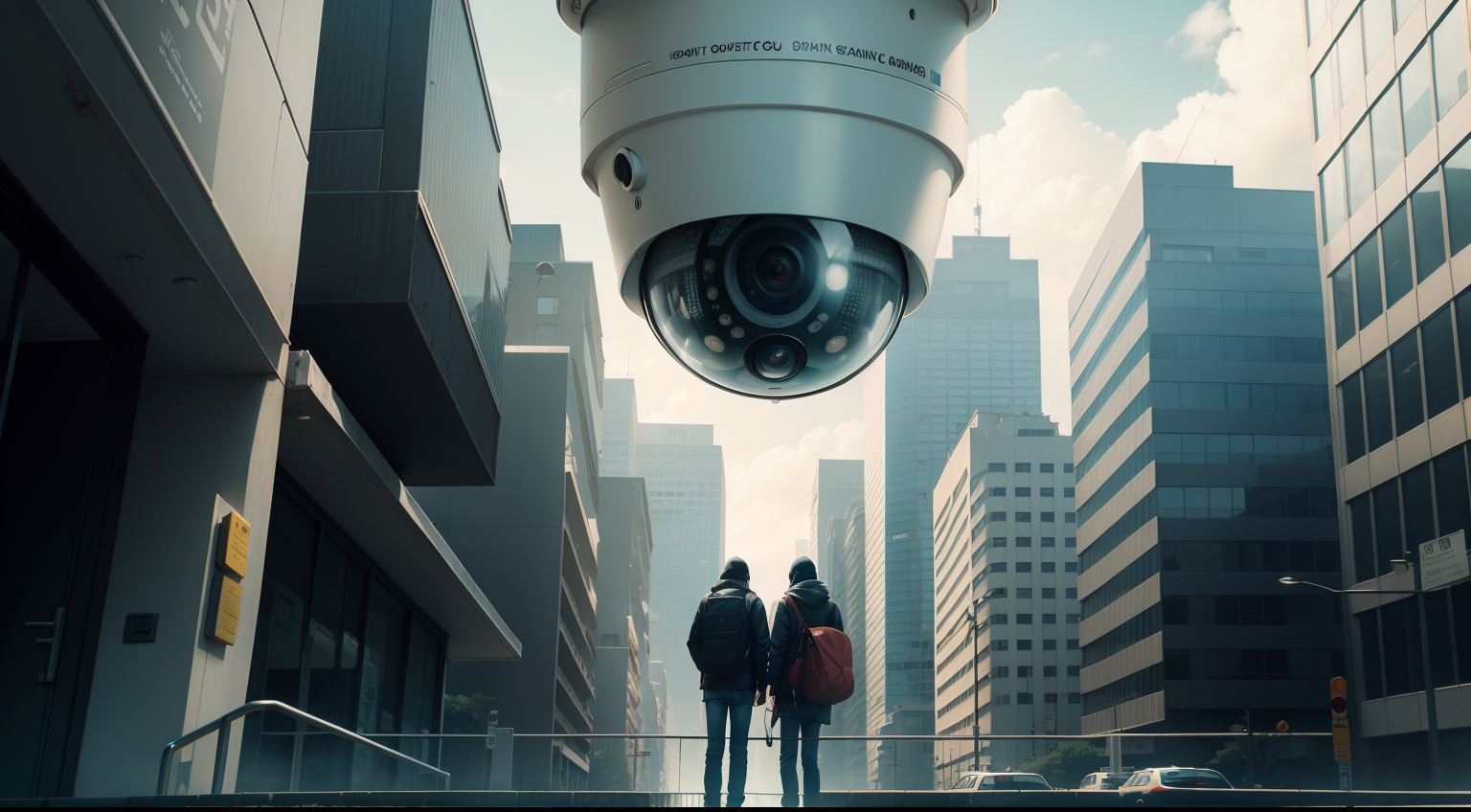
Tips for Selecting the Right Security Camera
In the fast-paced digital age, security has become a paramount concern for individuals and businesses alike. One of the most effective ways to enhance your security measures is by installing Closed-Circuit Television (CCTV) cameras. These devices not only act as a deterrent to potential wrongdoers but also provide valuable evidence in case of any untoward incidents. However, selecting the right CCTV camera can be a daunting task, given the many available options. This comprehensive guide will walk you through the essential factors to consider when choosing a CCTV camera system for your specific needs.
Understanding Your Surveillance Needs
Before diving into the technical aspects of Security cameras, it’s crucial to assess your unique surveillance requirements. Every setting is different, whether it’s a home, a retail store, an office, or an industrial facility. Start by asking yourself the following questions:What Is Your Primary Goal?
Are you looking to deter potential burglars, monitor your children and pets, or keep an eye on your business premises? Understanding your primary goal will help you choose the right camera type and features.Indoor or Outdoor Use?
CCTV cameras come in both indoor and outdoor variations. Outdoor cameras are built to withstand harsh weather conditions, while indoor cameras may lack this durability. Make sure to select cameras that suit the environment they’ll be placed in.Coverage Area and Range
Determine the areas you want to cover and the required range. Some cameras are designed for wide-angle coverage, while others are better suited for long-range surveillance.Types of Security Cameras
Now that you have a clearer understanding of your surveillance needs, let’s explore the different types of CCTV cameras available:Dome Cameras
Dome cameras are popular for their discreet design. They are commonly used in commercial settings and provide a wide-angle view. Their dome shape also makes them less susceptible to vandalism.Bullet Cameras
Bullet cameras are named for their cylindrical, bullet-like shape. They are great for long-range surveillance and are often used in outdoor settings. Their visible presence can act as a deterrent.PTZ Cameras
PTZ stands for Pan, Tilt, and Zoom, which are the primary functions of these cameras. They can be remotely controlled to pan left or right, tilt up or down, and zoom in or out. PTZ cameras are versatile and suitable for monitoring large areas.IP Cameras
IP cameras, or Internet Protocol cameras, connect to the internet, allowing you to view footage remotely via a computer or smartphone. They offer high-resolution video and are suitable for advanced surveillance needs.Resolution and Image Quality
The resolution of a CCTV camera determines the quality of the footage it captures. Higher-resolution cameras provide clearer images, which can be crucial in identifying details such as faces or license plates. Consider opting for cameras with at least 1080p resolution for optimal results.Low-Light Performance
Effective surveillance isn’t limited to daytime. Cameras with good low-light performance are essential for capturing clear images in nighttime or low-light conditions. Look for cameras with features like infrared (IR) LEDs for enhanced night vision.Storage and Recording Options
Security cameras store their footage in various ways. The two primary methods are:Local Storage
Some cameras have built-in memory cards or hard drives for local storage. This option is convenient but may have limited capacity.Cloud Storage
Cloud-based storage allows you to access your footage from anywhere with an internet connection. It offers ample storage space and the advantage of data redundancy.Connectivity and Remote Access
Modern CCTV cameras offer various connectivity options. Ensure your chosen camera system allows for remote access via a smartphone app or a web browser. This feature enables you to check your premises in real time, even when you’re away.Budget Considerations
While it’s tempting to go for the most advanced CCTV camera system available, it’s essential to work within your budget. There are cameras available at various price points, so prioritize features that align with your surveillance needs.Professional Installation vs. DIY
The installation of CCTV cameras can be complex, depending on the system you choose. Some people opt for professional installation to ensure everything works correctly. Others prefer the DIY approach to save costs. Make sure to factor in installation when making your decision.Conclusion
Selecting the right CCTV camera for your security needs is a crucial step in safeguarding your property and loved ones. By understanding your requirements, exploring camera types, considering resolution and low-light performance, and keeping budget and installation in mind, you can make an informed decision that will help you achieve peace of mind. In summary, the key factors to remember when choosing a security camera include:- Defining your surveillance goals
- Determining indoor or outdoor use
- Identifying coverage area and range
- Exploring different camera types
- Considering resolution and image quality
- Evaluating low-light performance
- Exploring storage and recording options
- Checking connectivity and remote access
- Staying within your budget
- Deciding on professional installation or DIY
FAQs
- What is the best resolution for a CCTV camera?
- The best resolution depends on your specific needs. HD is suitable for many applications, but Full HD and 4K offer higher clarity.
- How do I choose between wired and wireless CCTV cameras?
- Consider factors like installation ease, signal reliability, and long-term maintenance when deciding between wired and wireless options.
- Are there legal considerations when installing CCTV cameras?
- Yes, privacy laws and regulations vary by location. It’s essential to understand and comply with local laws regarding surveillance.
- Can I integrate my CCTV system with other security devices like alarms and access control?
- Yes, many CCTV systems offer integration options with alarms and access control systems for enhanced security.
- What maintenance is required for CCTV cameras?
- Regular cleaning, firmware updates, and system checks are essential for maintaining the performance of your CCTV cameras.